How Dental Veneers Can Correct Imperfections Like Gaps and Chips
Wiki Article
The Complete Introduction of Veneers: Kinds, Uses, and Their Effect on Your Smile
Veneers function as a popular remedy for individuals seeking to enhance their oral visual appeals. These custom-crafted coverings can properly mask imperfections such as discoloration and spaces. With 2 main kinds readily available, porcelain and composite resin, each offers unique advantages and constraints. The influence of veneers extends beyond mere look, affecting self-worth and social interactions. Understanding their types and benefits is necessary. What might this suggest for one's total lifestyle?Comprehending Veneers: What They Are and Exactly how They Function
Veneers are slim coverings, normally made from porcelain or composite material, that are custom-crafted to fit over the front surface area of teeth. They offer both visual and practical purposes, offering a service for numerous oral flaws such as staining, spaces, and minor misalignments. By adhering to the tooth enamel, veneers create a natural look while boosting the form and shade of the teeth.The process typically involves an initial consultation, where a dental expert evaluates the individual's demands and talks about preferred outcomes - Porcelain Veneers. Following this, a marginal quantity of enamel may be eliminated to accommodate the veneer. Impressions of the teeth are after that taken to guarantee a precise fit. As soon as made, the veneers are bonded firmly to the teeth utilizing a special oral adhesive. This procedure not only boosts the smile's appearance but likewise aids safeguard the underlying teeth from further damages, making veneers a prominent choice for several seeking a smile makeover
Kinds of Veneers: Porcelain vs. Composite Resin
The difference between porcelain and composite material veneers copyrights on their product structure and characteristics. Each kind provides differing degrees of longevity, durability, and price, affecting clients' selections based on their private requirements. Recognizing these differences is crucial for making an informed choice regarding dental improvements.Product Differences Described
While both porcelain and composite material veneers serve the exact same cosmetic function, they vary significantly in product properties, sturdiness, and visual results. Porcelain veneers are crafted from a ceramic product that mimics the natural translucence of teeth, offering a realistic look. Their smooth surface area is immune to discoloration, making them an appealing option for those looking for a long-lasting visual. On the other hand, composite material veneers are made from a tooth-colored plastic product, offering flexibility and simplicity of application. Nevertheless, they may not achieve the very same degree of illumination or clarity as porcelain. Additionally, composite veneers can be extra quickly formed and fixed, making them a much more versatile choice in specific dental situations. Each type presents unique benefits customized to specific choices.Durability and Longevity
Long life and longevity are substantial aspects when comparing porcelain and composite material veneers. Porcelain veneers are understood for their strength, frequently lasting 10 to 15 years with proper treatment. Their strength against breaking and staining makes them a popular choice for people seeking long-term results. On the other hand, composite resin veneers generally have a shorter life expectancy, balancing 5 to 7 years. While they can be repaired more quickly if harmed, they are a lot more susceptible to put on and discoloration over time. The option between these products typically depends on the person's lifestyle, visual goals, and upkeep preferences. Inevitably, comprehending the distinctions in durability and durability can lead clients in picking the veneer type that best matches their needs.Expense Comparison Insights
Expense is a crucial factor to consider when choosing between porcelain and composite material veneers. Porcelain veneers commonly range from $800 to $2,500 per tooth, showing their durability, aesthetic allure, and resistance to discoloration. These veneers require a much more extensive treatment and specialized laboratory work, adding to their greater cost. In contrast, composite resin veneers are normally extra cost effective, costing between $250 and $1,500 per tooth. They can be used in a solitary browse through, which minimizes labor expenses. Composite veneers may need much more regular replacements, possibly boosting lasting expenditures. Inevitably, the selection between porcelain and composite resin veneers depends on individual budgets and desired outcomes, balancing initial costs against longevity and aesthetic outcomes.The Advantages of Finding Veneers for Your Smile
Picking veneers offers significant advantages for those looking for a boosted smile. Their improved visual charm can transform the appearance of teeth, while their stain-resistant residential or commercial properties ensure a long lasting brightness - Dental Veneers. This combination makes veneers a popular alternative for people seeking to achieve a perfect smileEnhanced Aesthetic Appeal
Veneers often arise as a preferred service due to their transformative aesthetic advantages when people look for to enhance their smiles. These slim coverings, generally made of porcelain or composite material, can efficiently hide flaws such as chips, gaps, and imbalance. By simulating the natural look of teeth, veneers offer a smooth, radiant smile. Their customizable nature enables a tailored strategy, allowing people to select tones and shapes that ideal fit their face functions. Additionally, veneers can produce a consistent appearance, boosting overall face symmetry. This visual enhancement not just boosts self-confidence yet can likewise favorably influence individual connections and social interactions, making veneers a prominent selection for those wanting to attain a brighter, more appealing smile.Tarnish Resistance Advantages
Veneers not just improve aesthetic Porcelain Veneers charm however additionally provide substantial tarnish resistance, making them an appealing alternative for individuals concerned regarding keeping a bright smile. Composed of long lasting products such as porcelain or composite resin, veneers are less porous than all-natural teeth, which aids prevent the absorption of stains from typical perpetrators like coffee, tea, and merlot. This inherent discolor resistance enables people to appreciate their favored beverages without worrying regarding staining. Veneers Teeth. Furthermore, the smooth surface area of veneers makes them much easier to tidy, more boosting their longevity and maintaining their pristine appearance. Consequently, veneers offer a useful service for those seeking both charm and performance in their dental careThe Process of Getting Veneers: What to Expect
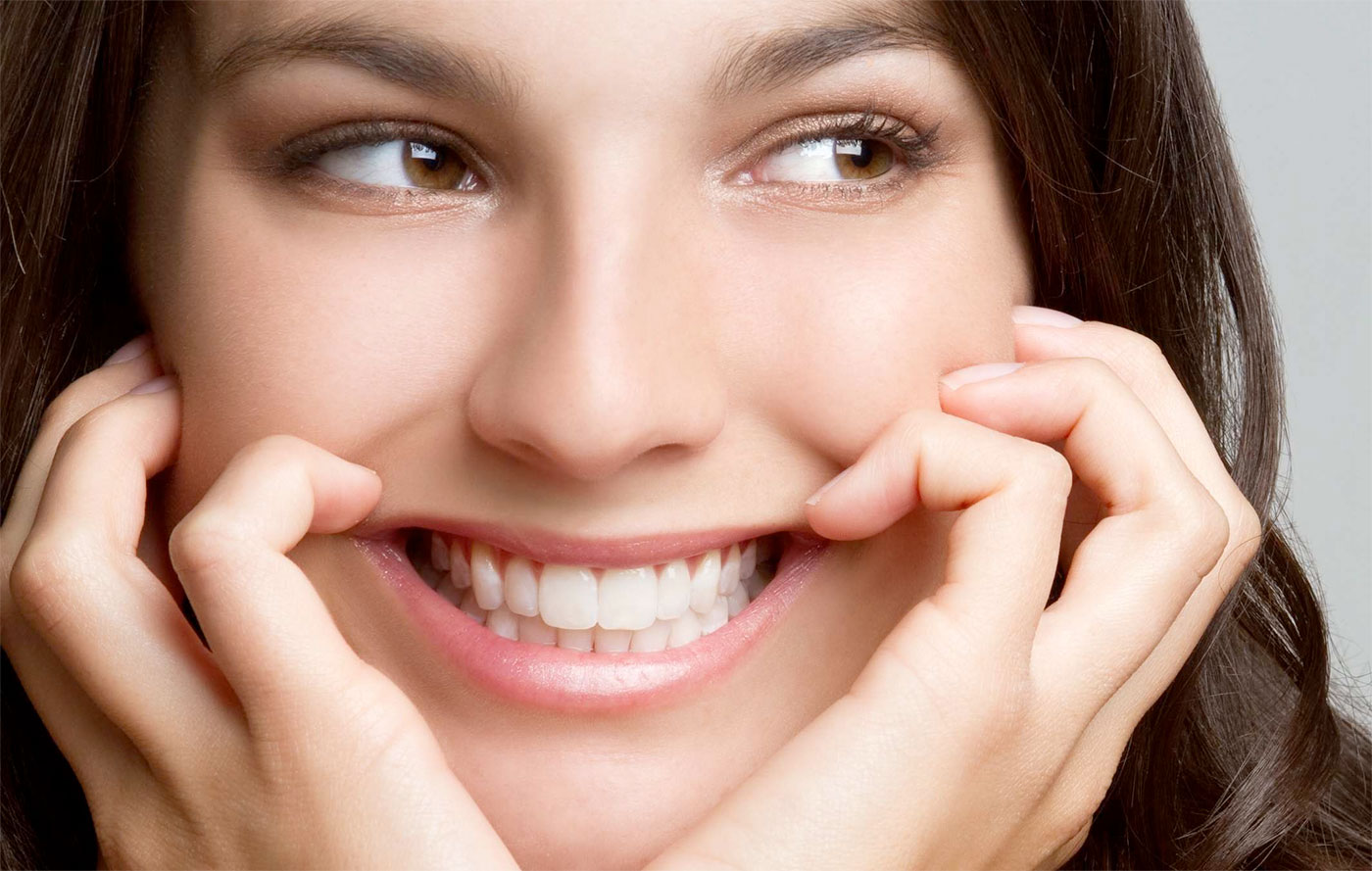
The process of getting veneers might seem daunting, comprehending the steps included can ease worries. At first, an examination with a dental practitioner is essential to figure out if veneers are the suitable service for the individual's oral problems. Throughout this visit, the dental professional will review preferred outcomes and take impacts of the teeth.
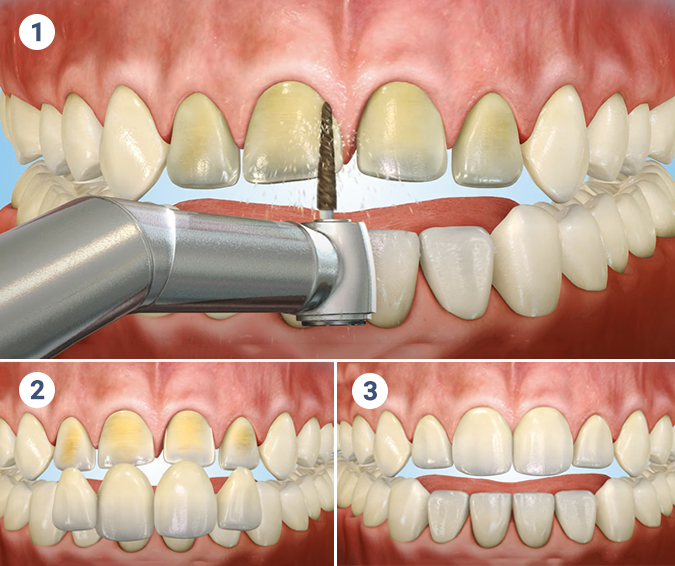
Next, a 2nd visit is arranged for tooth preparation, where a tiny amount of enamel is generally gotten rid of to fit the veneers. Temporary veneers might be placed while the personalized ones are crafted in a dental laboratory, which typically takes a number of weeks.
As soon as prepared, the dentist will position the veneers, making sure proper fit and shade prior to bonding them to the teeth utilizing an unique adhesive. After final modifications, the dentist will give assistance on treatment. Understanding these actions can aid clients really feel more comfortable and educated throughout the veneer process.
Maintenance and Look After Your Veneers
Preserving veneers calls for consistent like assure their longevity and look. Correct oral hygiene is necessary; brushing twice daily with a non-abrasive tooth paste and flossing consistently help avoid plaque build-up around the veneers. In addition, routine dental examinations are crucial for monitoring the condition of the veneers and dealing with any type of possible problems early on.People need to avoid hard foods and excessive force when biting to stop damages. It's also recommended to limit consumption of staining substances, such as coffee, tea, and merlot, as these can affect the veneers' color over time.
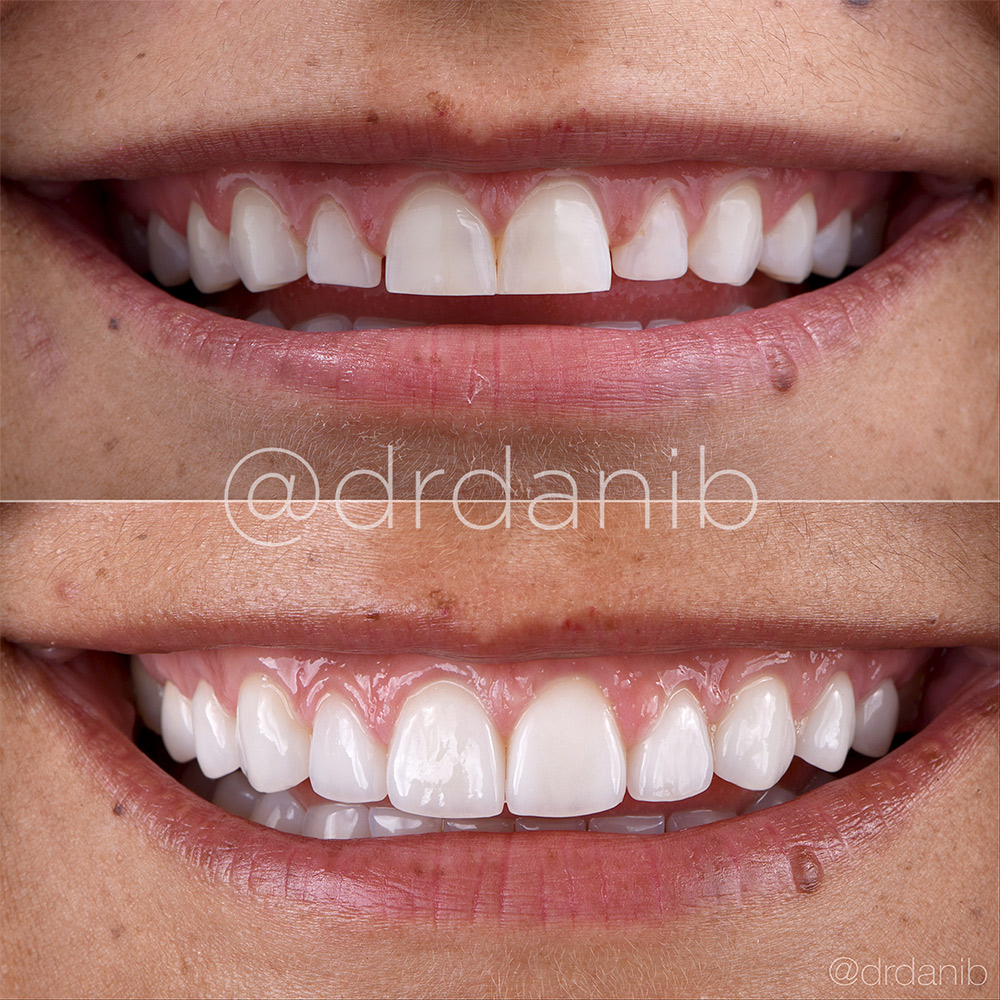
Transforming Your Smile: Real-Life Effect of Veneers
A glowing smile can substantially improve one's self-confidence and overall appearance. For many individuals, veneers work as a transformative service, successfully resolving numerous oral problems such as discoloration, voids, and imbalance. These slim coverings, personalized to fit over the front of the teeth, can develop an unified and cosmetically pleasing smile.Real-life instances highlight the extensive effect veneers can have. Individuals commonly report an immediate boost in self-esteem and social communications following their treatment. The newly found self-confidence can result in more opportunities in specialist and personal life, as individuals feel more inclined to involve and share themselves.
Furthermore, the mental benefits expand past simple appearance; several experience boosted mental well-being as they embrace their smiles. Consequently, veneers not just improve physical characteristics but additionally contribute greatly to total lifestyle, emphasizing their worth in cosmetic dentistry.
Regularly Asked Concerns
How Much Time Do Veneers Commonly Last Before Requiring Replacement?
Veneers typically last in between 10 to 15 years prior to needing substitute. Elements such as dental hygiene, oral habits, and the kind of material made use of can influence their long life and overall durability. Routine oral check-ups are a good idea.Can Veneers Be Removed, and if So, Exactly how?
Yes, veneers can be removed. A dental practitioner generally makes use of specific devices to carefully remove them from the teeth, making certain minimal damages to the underlying enamel, usually followed by needed changes or remediations for suitable visual appeals.Are Veneers Suitable for Everybody's Oral Condition?
Will Getting Veneers Hurt or Require Anesthetic?
Getting veneers normally involves very little discomfort, and lots of patients receive neighborhood anesthesia to assure a pain-free experience. Sensitivity might occur briefly later, but the majority of find the procedure tolerable and are satisfied with the outcomes.How Do Veneers Affect Tooth Level Of Sensitivity After Placement?
Veneers can momentarily enhance tooth level of sensitivity as a result of the removal of enamel and the bonding procedure. Most individuals experience a reduction in level of sensitivity in time as the teeth change to the brand-new veneers.Veneers are thin shells, generally made from porcelain or composite material, that are custom-crafted to fit over the front surface area of teeth. Porcelain veneers are crafted from a ceramic material that imitates the all-natural transparency of teeth, giving a lifelike appearance. Porcelain veneers normally vary from $800 to $2,500 per tooth, reflecting their sturdiness, visual allure, and resistance to staining. In comparison, composite material veneers are generally much more budget friendly, costing between $250 and $1,500 per tooth. Composed of long lasting products such as porcelain or composite material, veneers are much less permeable than all-natural teeth, which assists avoid the absorption of stains from common perpetrators like coffee, tea, and red wine.
Report this wiki page